IoT Basics Explained | Simple & Clear Introduction to the Internet of Things
Saturday, August 29, 2026
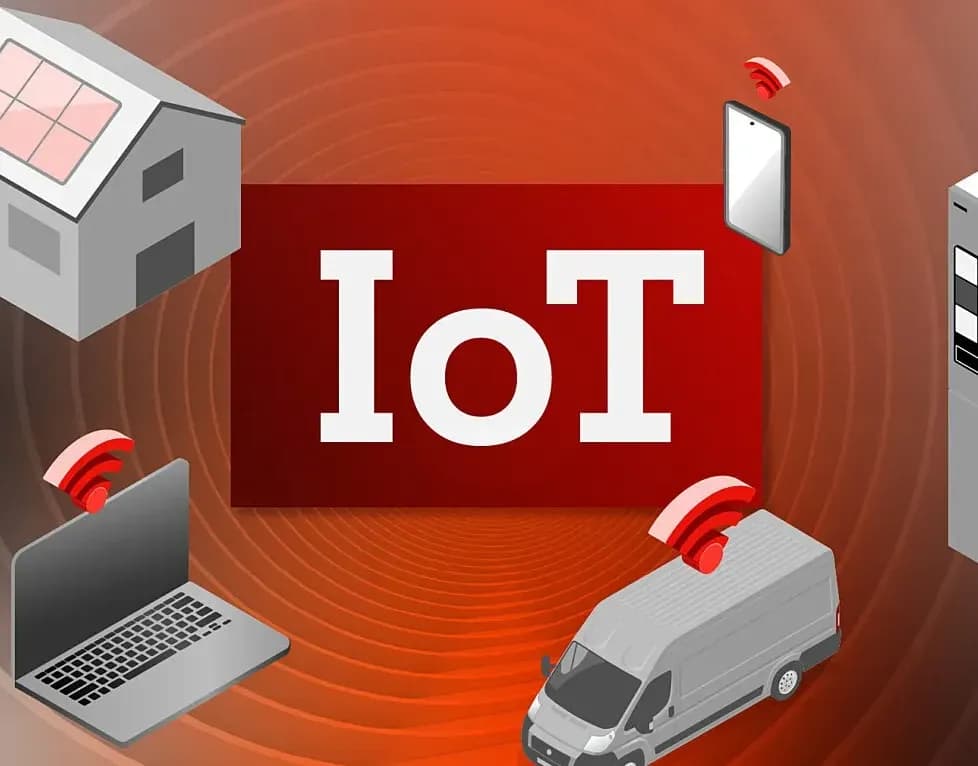
Welcome to my presentation on the Internet of Things, commonly known as IoT. I'm Kabya Ghosh, a CSE student at Daffodil International University.
What is the Internet of Things (IoT)?
At its core, IoT is the concept of connecting physical devices to the internet. This connectivity allows these devices to collect data and operate automatically.
While IoT may have started with simple sensors, it has now evolved to encompass a wide array of applications, and it holds the potential to make our lives easier and more automated in the future.
Applications of IoT
IoT technology is utilized across various sectors, including:
- Home Automation
- Healthcare
- Industry
- Agriculture
To illustrate, I built a smart home IoT system using an ESP32 development module. Through a web dashboard, I can control devices like lights. The dashboard sends data to a Firebase cloud database, and the ESP32 reads this data to perform actions based on the commands.
For instance, when I click the "On" button on the dashboard, the command is sent to the Firebase Realtime Database. The ESP32, continuously reading from the database, instantly turns on a blue LED. This real-time interaction demonstrates the power of IoT.
Types of IoT Devices
IoT devices can generally be categorized into two types:
General Devices
These are daily life home appliances that have been upgraded to work using IoT technology. Examples include:
- Smart lights
- Smart fans
- Smart plugs
Sensing Devices
These devices are designed to collect data from their environment. Examples include:
- Humidity sensors
- Soil sensors
- Gas sensors
- Motion sensors
Advantages of IoT
IoT offers numerous benefits, such as:
- Automation: Streamlining tasks and processes.
- Remote Monitoring: Keeping track of systems from anywhere.
- Energy and Time Savings: Optimizing resource usage.
- Real-time Problem Solving: The continuous flow of real-time data enables faster decision-making and more efficient problem resolution.