Design and Development of Autonomous Agriculture Drones for Smart Farming Applications
Friday, September 4, 2026
Design and Development of Autonomous Agriculture Drones for Smart Farming Applications
Topics:
- What is a Drone?
- Types of Drones
- How a Drone Works
- Drone Components
- Drone Programming
- Drone Software & Firmware
- Smart Farming Drone
What is a Drone ?
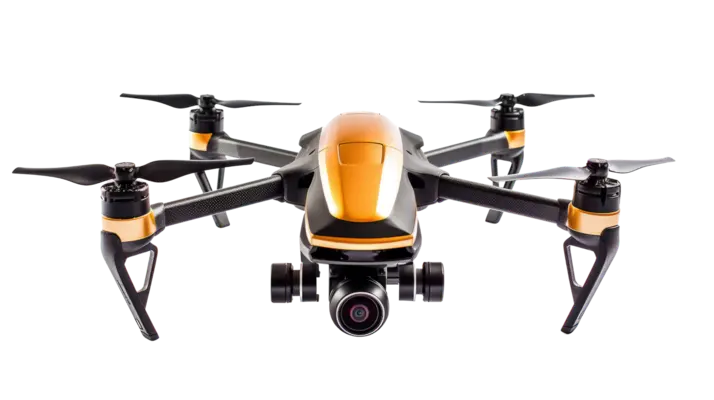
A drone (also known as UAV – Unmanned Aerial Vehicle ) is a flying device that operates without a human pilot on board . It is usually remotely controlled or follows a pre-programmed path using GPS and sensors. Drones can carry cameras, sensors, sprayers , or other tools depending on the task.
Types of Drones :
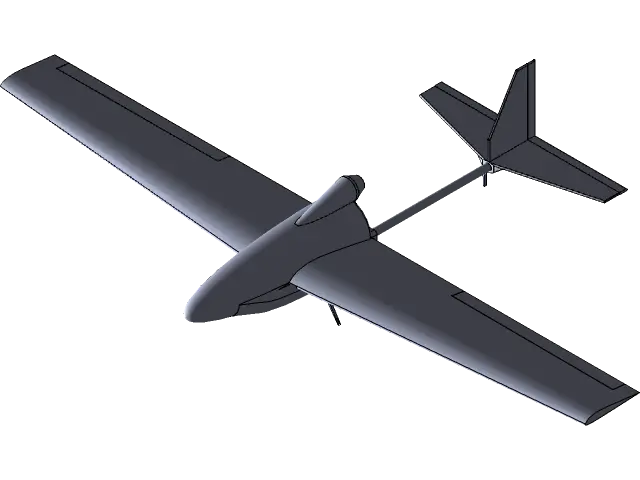
- Fixed-Wing Drones
- Look like small airplanes.
- Good for covering large areas quickly.
- Used mainly for surveying and mapping fields.
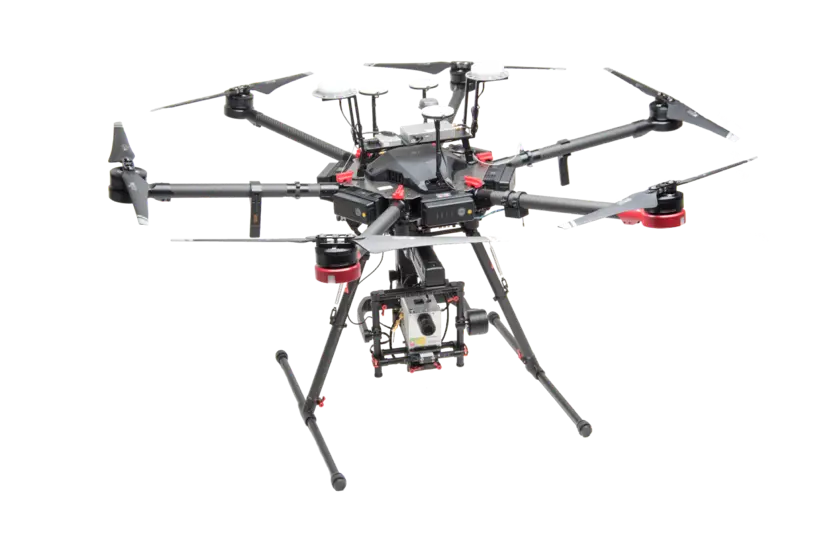
2. Drones (like quadcopters)
- Have 4 or more rotors.
- Easy to control and hover in one place.
- Ideal for spraying fertilizers and pesticides .
3.Hybrid Drones
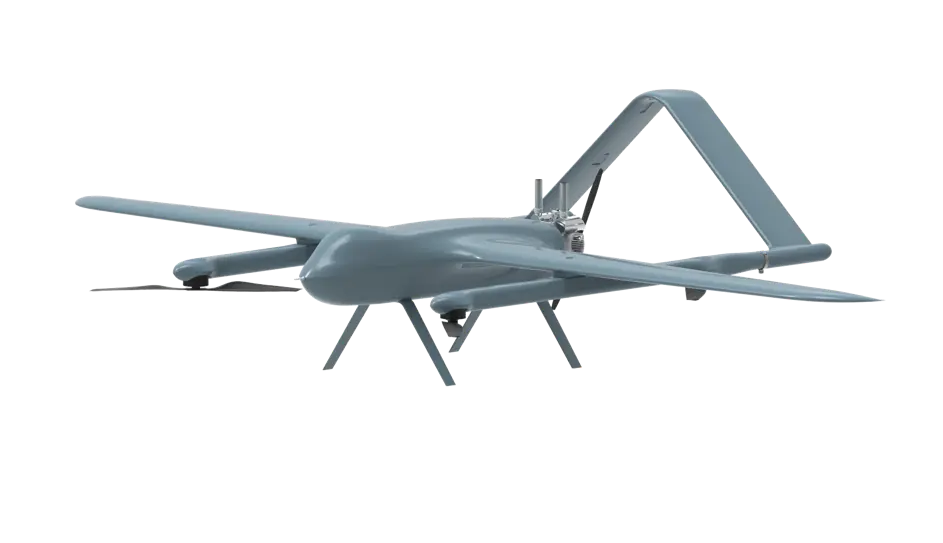
- Mix features of fixed-wing and multirotor drones.
- Fly long distances and can hover when needed.
- Useful for large-scale farming with detailed tasks.
How a Drone Works
A drone flies by spinning multiple propellers, controlled by a flight controller. It takes commands from a remote control or smartphone via radio signals or Wi-Fi. Sensors help it stay stable and move accurately. Drones can lift off, move in any direction, and land smoothly using a combination of motor power and sensor data.
1. Lift-off (Take Off)
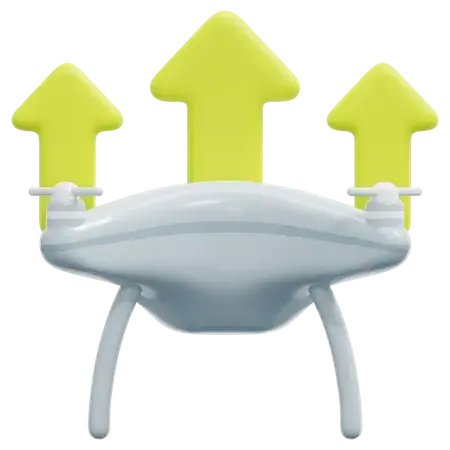
When the pilot increases the throttle from the remote, all the drone’s motors spin faster. This increases thrust , which pushes air downward and lifts the drone up.
- Physics : Thrust > Gravity = Drone lifts off
- Motor type : Brushless DC motors spin propellers at high speed
2. Move Forward / Backward / Sideways
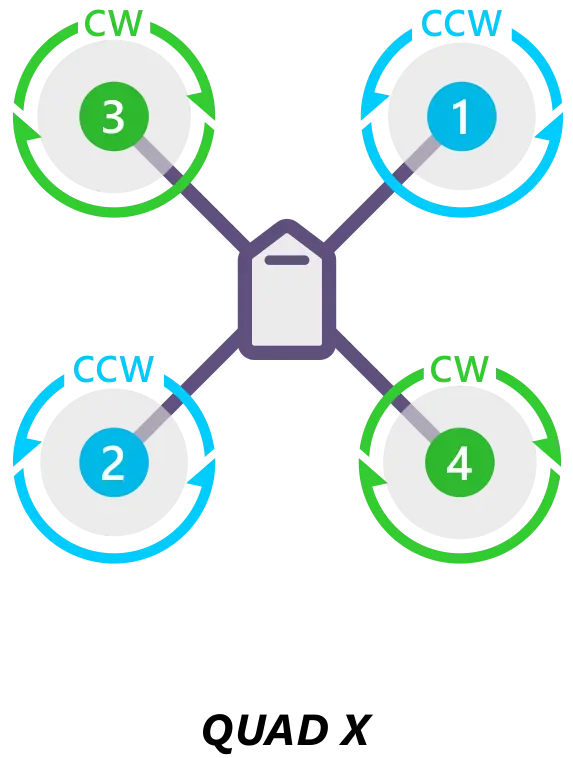
The drone moves in a direction by changing the speed of specific motors :
- Forward : Rear motors spin faster
- Backward : Front motors spin faster
- Left (roll): Right motors spin faster
- Right (roll): Left motors spin faster
3. Lift Down (Landing / Descend)
When the throttle is reduced, all motors slow down. The thrust becomes less than gravity , so the drone gently comes down.
- Landing can be manual or assisted by sensors like ultrasonic or barometer.